



Why the Same Foundation Shade Doesn't Work in Every Brand
Author: Match My Makeup
03 Jun 2026
Ever found your perfect foundation shade in one brand, only to discover the "same" shade in another brand looks completely different on your skin?
You're not imagining it.
One of the biggest misconceptions in beauty is that foundation shades are universal. In reality, shade names, numbers and descriptions vary significantly from brand to brand, making it difficult to confidently shop across different formulas and finishes.
Here's why the same foundation shade doesn't work in every brand — and how to find your best match every time.
Foundation Shades Aren't Standardised
Unlike clothing sizes, which follow some level of industry standardisation, there is no universal system for foundation shades.
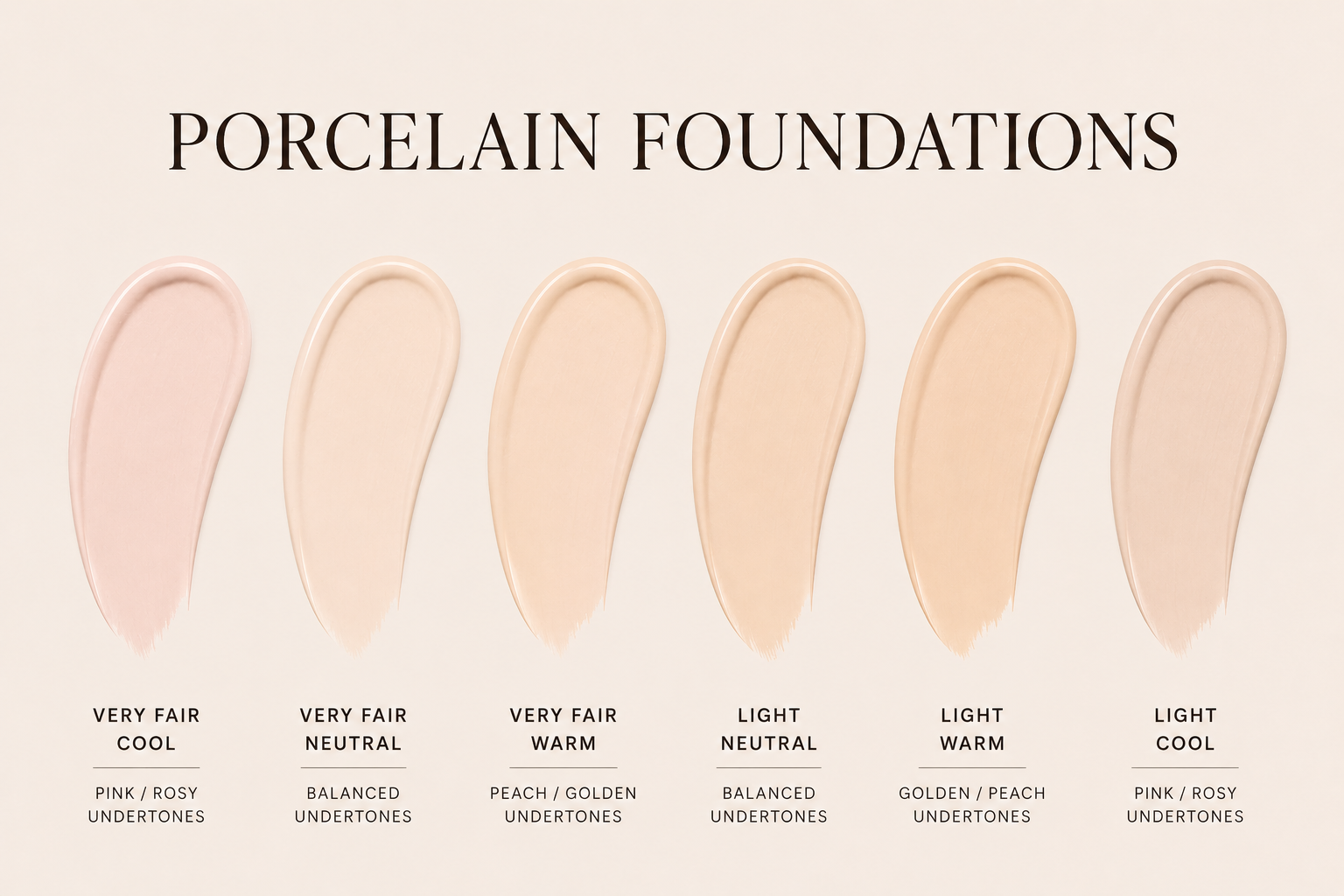
Every beauty brand develops its own shade range, naming conventions and numbering system. This means that a shade labelled "Light Medium", "Beige" or even "2N" can look completely different depending on the brand.
For example:
A neutral shade in one brand may lean warmer in another.
A medium shade in one range may be significantly lighter than a medium shade elsewhere.
Two foundations with similar names may have entirely different undertones.
That's why matching based solely on a shade name or number often leads to disappointing results.
Undertones Matter Just as Much as Depth
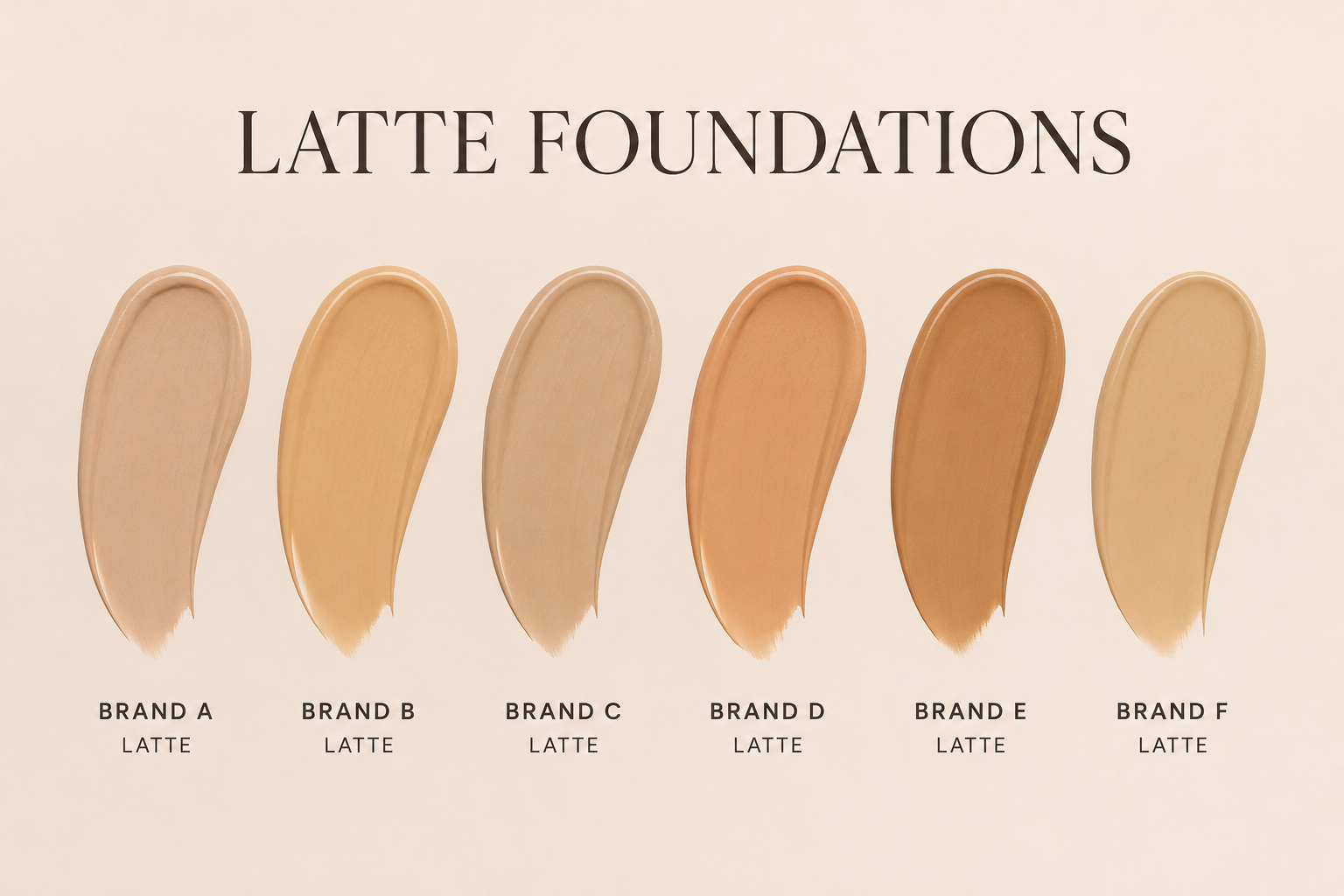
When choosing foundation, most people focus on how light or deep a shade appears. But undertone plays an equally important role.
Undertones generally fall into four categories:
Cool: pink, red or rosy tones
Warm: golden, yellow or peach tones
Neutral: a balance of cool and warm tones
Olive: green, golden or muted undertones
A shade may appear to match your skin depth perfectly but still look off if the undertone isn't right.
Different Brands Interpret Undertones Differently
Even when brands use the same undertone labels, they don't always define them in the same way.
One brand's neutral shade may lean cool, while another brand's neutral offering may appear warmer. Similarly, some brands offer extensive olive undertone options, while others may have very few.
This variation makes switching between brands more complicated than simply finding a shade with a similar name.
A Smarter Way to Find Your Match
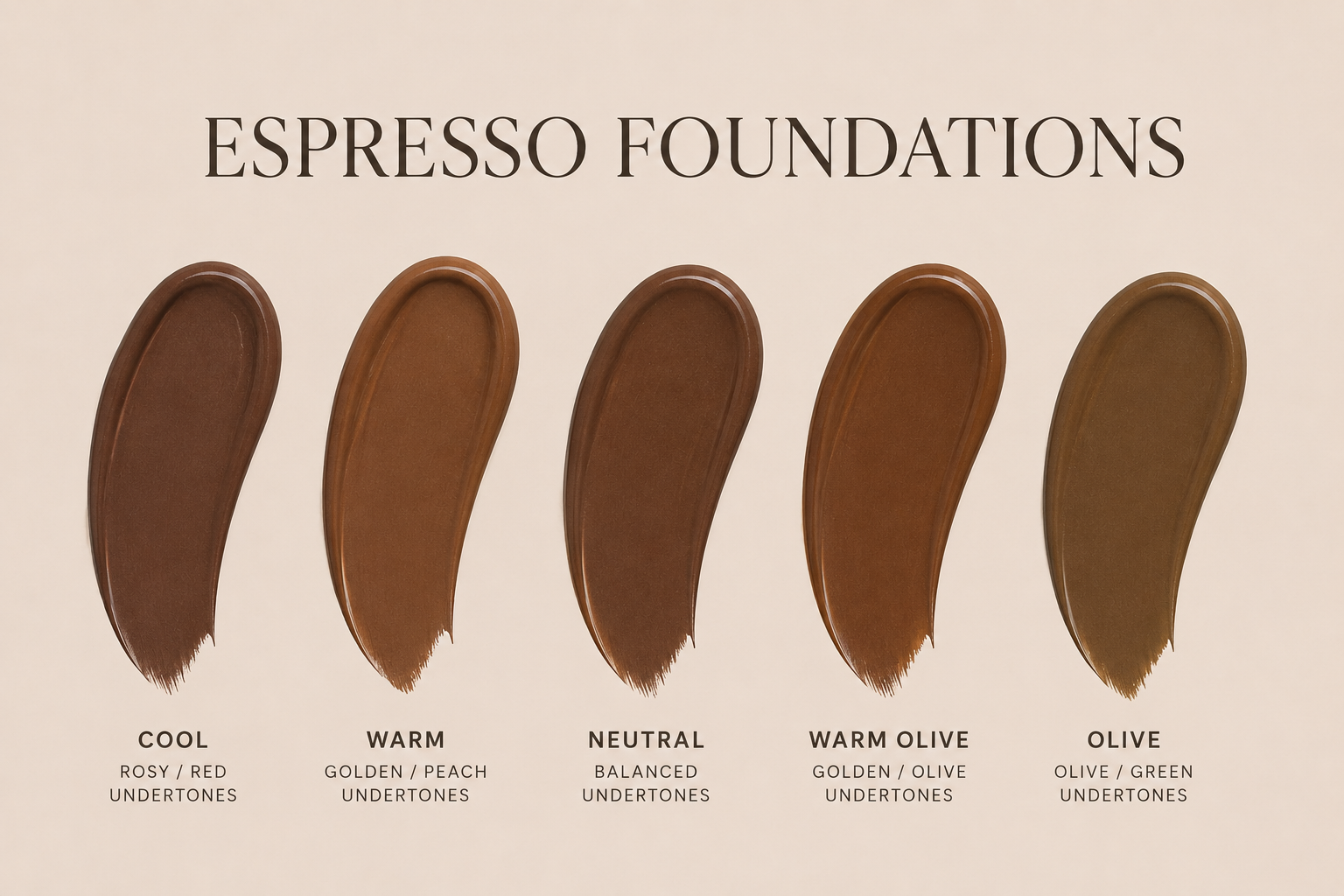
Instead of guessing, shade matching technology can help identify equivalent shades across brands more accurately.
Match My Makeup platform is designed to simplify this process by matching shades across complexion products from multiple brands.
If you already know a foundation shade that works for you, the brand-to-brand matching feature can recommend your closest equivalents across other formulas and brands, helping take the uncertainty out of switching products.
The Bottom Line
The same foundation shade doesn't work in every brand because there is no universal foundation shade system.
Differences in colour depth, undertones, formulas and finishes mean that even similarly named shades can look dramatically different on the skin.
The good news? You don't have to start from scratch every time you try a new foundation.
Tools like Match My Makeup make it easier to discover equivalent shades across brands, helping you find your next complexion match with greater confidence and less guesswork.


Subscribe
For all the latest news, tips, trends and exclusives, be sure to sign up to receive the latest straight to your inbox.
By clicking subscribe you agree to our terms and privacy policy.



Subscribe
For all the latest news, tips, trends and exclusives, be sure to sign up to receive the latest straight to your inbox.
By clicking subscribe you agree to our terms and privacy policy.